

Elijah Parker
Fullstack Platform Engineer
~3 years owning production infrastructure for multi-service SaaS. Self-hosting Kubernetes since 2022, agentic development since 2026.

About
My passion lies in developing software that achieves what some developers would say is “impossible”. There is a great thrill found in connecting components together in complex systems and creating beautiful simplicity that weaves software together. Difficult problem solving brings me great joy, and it’s in solving those problems that I built Minecluster, my own RBAC enforced multi-server manager, so that I could play games with my friends.
By building Minecluster, I solved my problem of connecting with my friends. Now I know that solving real problems for real people is how great products can turn into businesses. I have spent most of my time learning to manage infra, deployment, and uptime for many services. What I want to work on now is scaling dynamically provisioned computing resources. I prefer remote work for optimal productivity, but operate well in a hybrid situation and love to spend time with coworkers in person.
Featured projects
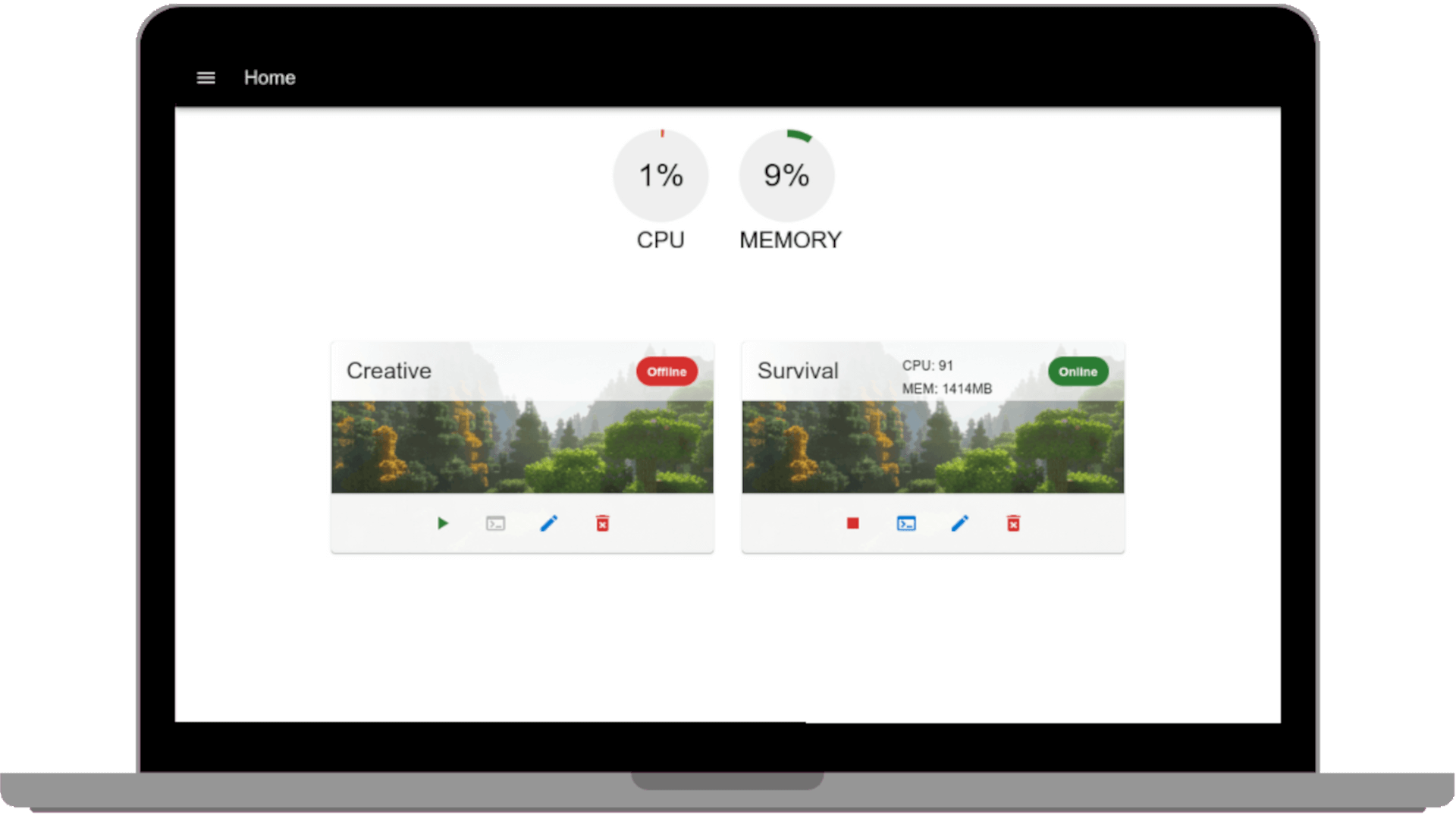
Infrastructure · on my résumé
Minecluster
Deploy and monitor Minecraft servers inside a Kubernetes cluster. Helm charts, RBAC, autoscaling, and RCON control behind a stateful web interface.
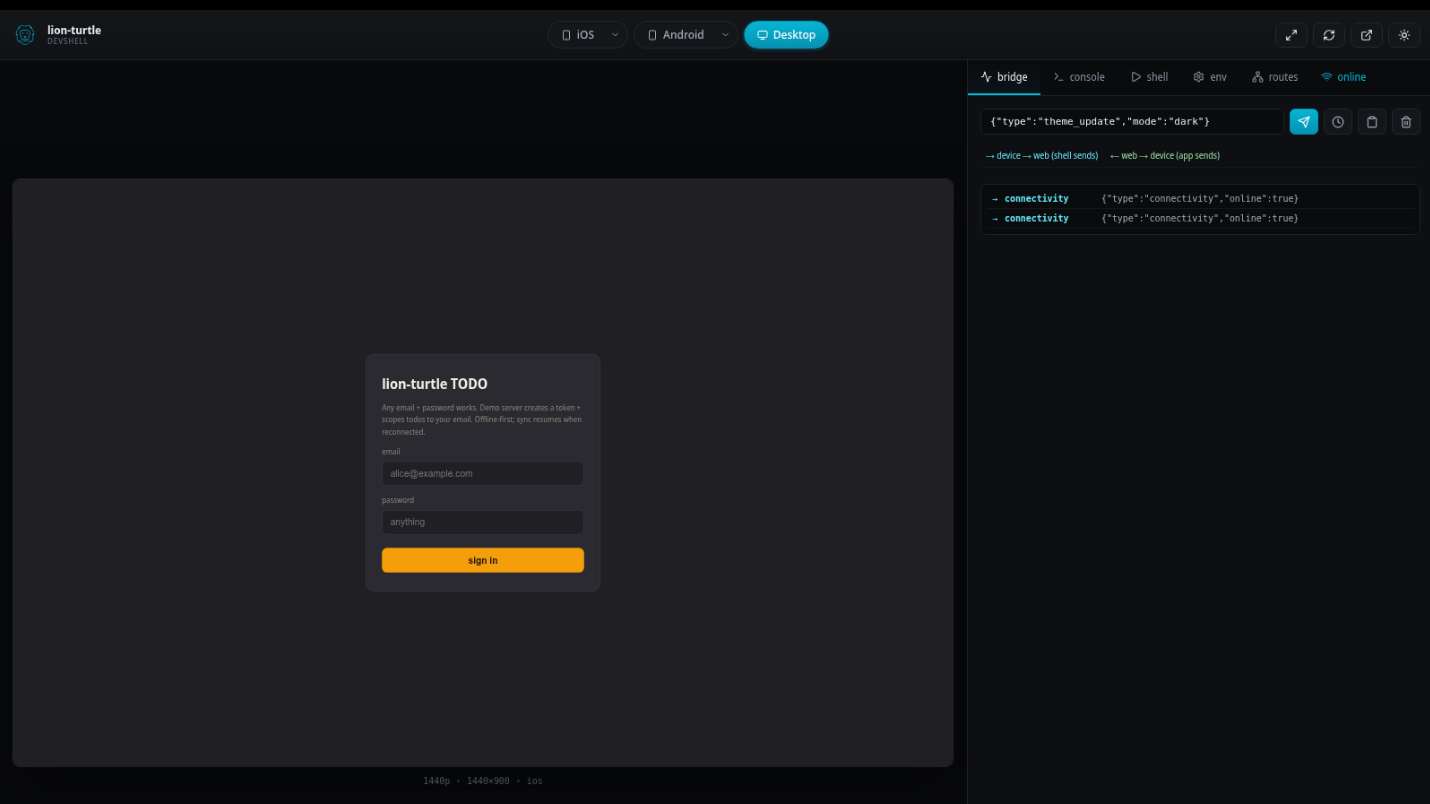
Developer tooling · on my résumé
Lion Turtle
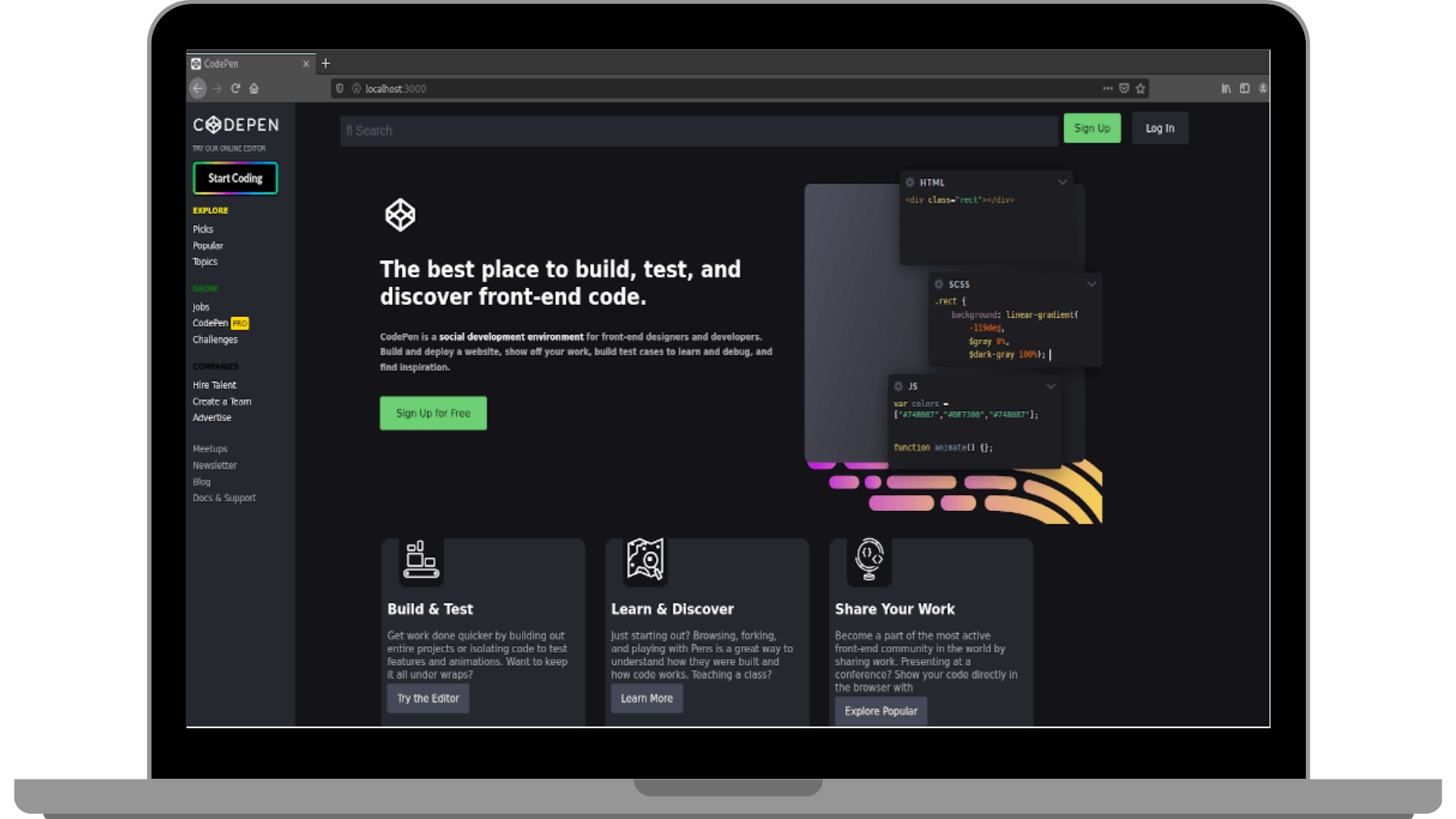
Mobile-shell platform. A Flutter native shell wraps any Vite + React app through a single plugin, with local-first storage, sync hooks, and a dev shell for live iteration.
Experience
Fullstack DevOps & SRE Software Engineer
Jan 2024 – Present | AppRabbit, Provo, UT
Own platform architecture: 3M req/day, 112k users, 2,041 tenant apps.
Architected an agentic harness: fanout decomposition, gates, event replay.
Cut ~150M Firestore reads/day & optimized reads using Redis caching.
Platform-neutral message relay on Socket.IO and Redis, with client SDKs.
Built a RTMPS/HLS autoscaling live-video plane on Fly & Cloudflare R2.
Fleet-wide ORM migration; multi-region Postgres cut AU reads to ~100ms.
Instrumented 9 services with OpenTelemetry; eliminated a $4k overage.
Automated iOS/Android releases to 16 concurrent builds per 15 min.
Integrated Stripe to manage customer subscriptions and billing.
Designed a durable workflow engine with deploy-resumable runs.
Tenant page platform: versioned drafts, edge serving, custom domains.
Software Engineer Intern
Jun 2021 – Nov 2021 | Podium, Lehi, UT
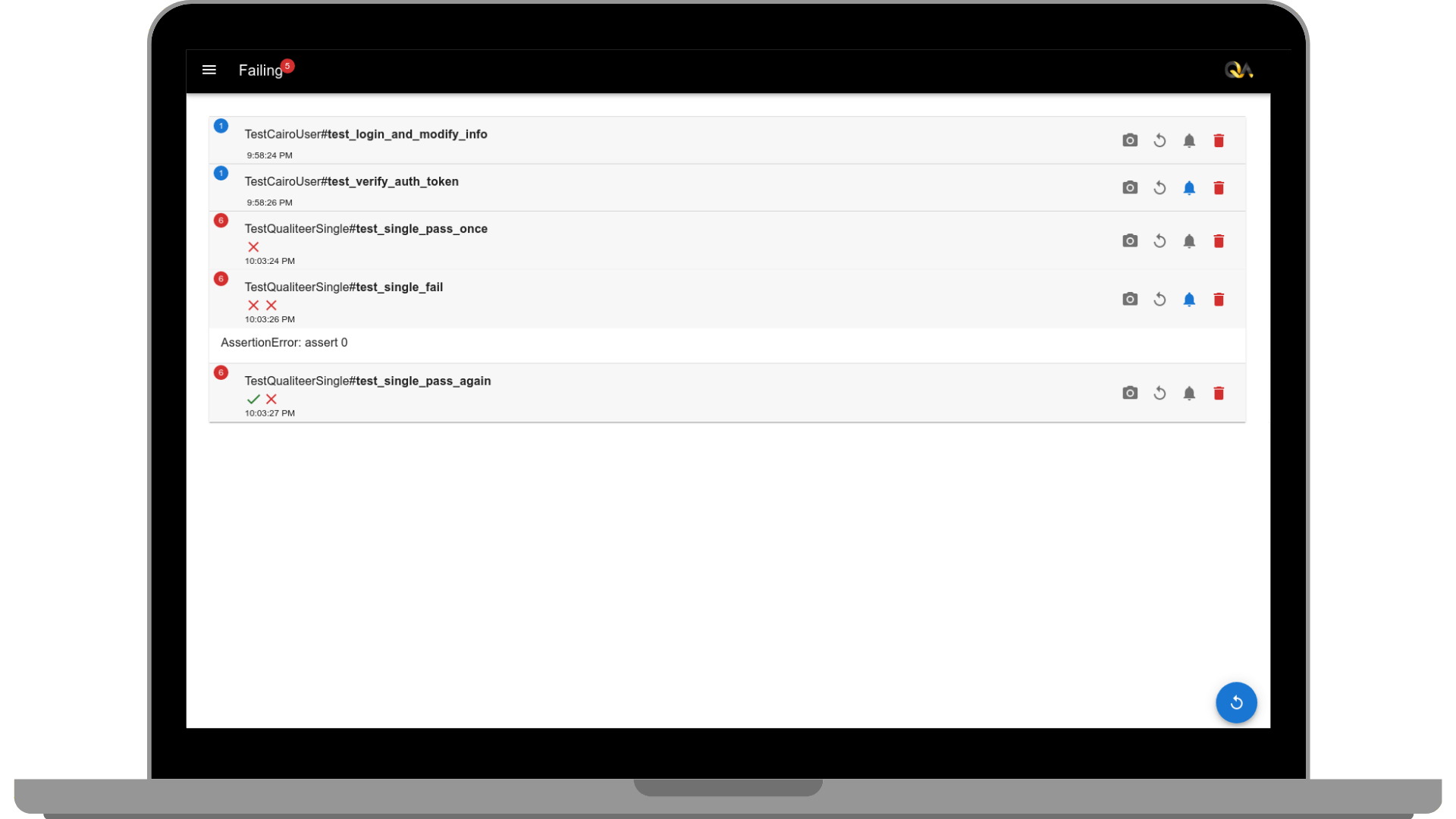
Built a fullstack React and Express app for QA data, as solo developer.
Modularized API testing resources as project lead.
Developed automated end-to-end UI and API tests, plus coverage collection.
Improved performance of core QA services by 20%.
Education
B.S. Computer Science: Software Engineering
Jan 2024 – May 2027 | Brigham Young University
In progress; anticipated graduation May 2027.
Full Stack Web Development
Dec 2018 – May 2020 | Bottega devCamp
Certificate of Competency — advanced Python, database foundations, systems analysis, UML, and web development.
Cyber Security and Networking
Jan 2019 – May 2019 | AFA's CyberPatriot
2nd place, state networking security challenge. Ubuntu security policies and PAM, networking, and init systems.
Certifications
Fullstack Certification
Bottega devCamp · 2020
Proficiency in Python 3, React, CSS, and JavaScript.
Linux Client Administration
TestOut · 2021
Proficiency in Linux client administration.
References
Artificial Intelligence (AI)
The rise of LLMs for software engineering (often termed Artificial Intelligence, or AI) has forever changed how software is built. To properly understand my position and use of AI, here is an important breakdown of five different usage types and how they impact AI-assisted development. Each showcases how much a developer is involved and where AI brings genuine improvement. Where humans should be involved and where processing should be deferred to machines greatly depends on the problem.
Where I sit
Between Jan 2024 and Feb 2026, I only used type one as an advanced rubber-duck that pushes back and suggests alternatives. Since then, I have primarily used type three, with some in types four or five. Beyond type three the economics break down. Without strict rules, guards, and process, generative volume costs more than a full dev team. Engineers lose code context, and emergency debugging becomes brutal.
The impact
When AI was first accessible to me in an engineering context, it made enough mistakes that doing it myself was often faster, and more context confused it rather than helping. Claude Code (Feb 2026) changed that. Within two months I was working noticeably faster, while staying under 30% (often under 20%) of a 20M-token budget. The code still has minor issues, but my shipping speed is even faster than it was before.
Attribution
Because AI-derived code can't be directly attributed, I have chosen to highlight which projects have and haven't used coding agents. What attribution looks like for the industry in the long run is still unknown, but without the many open source projects and years of individual contributors on Stack Overflow, we never could have gotten this far. To every single one of them I say: Thank you!
Additional projects
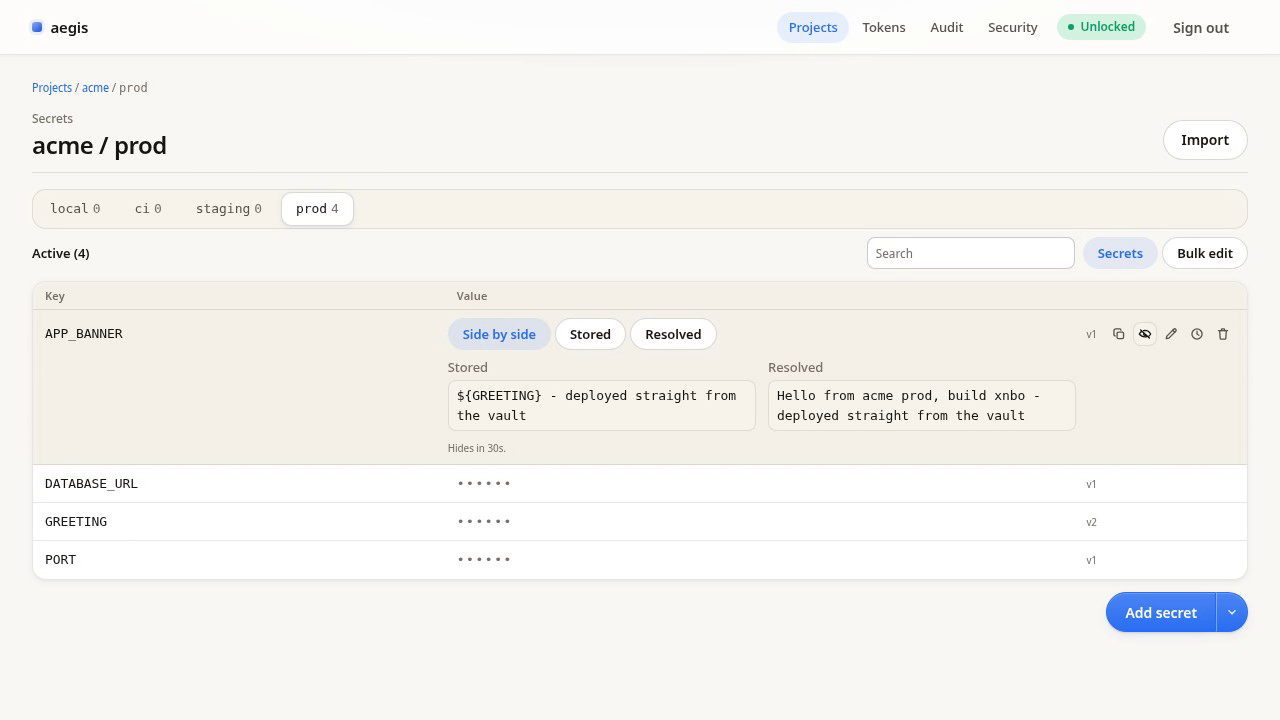
Developer tooling
Aegis
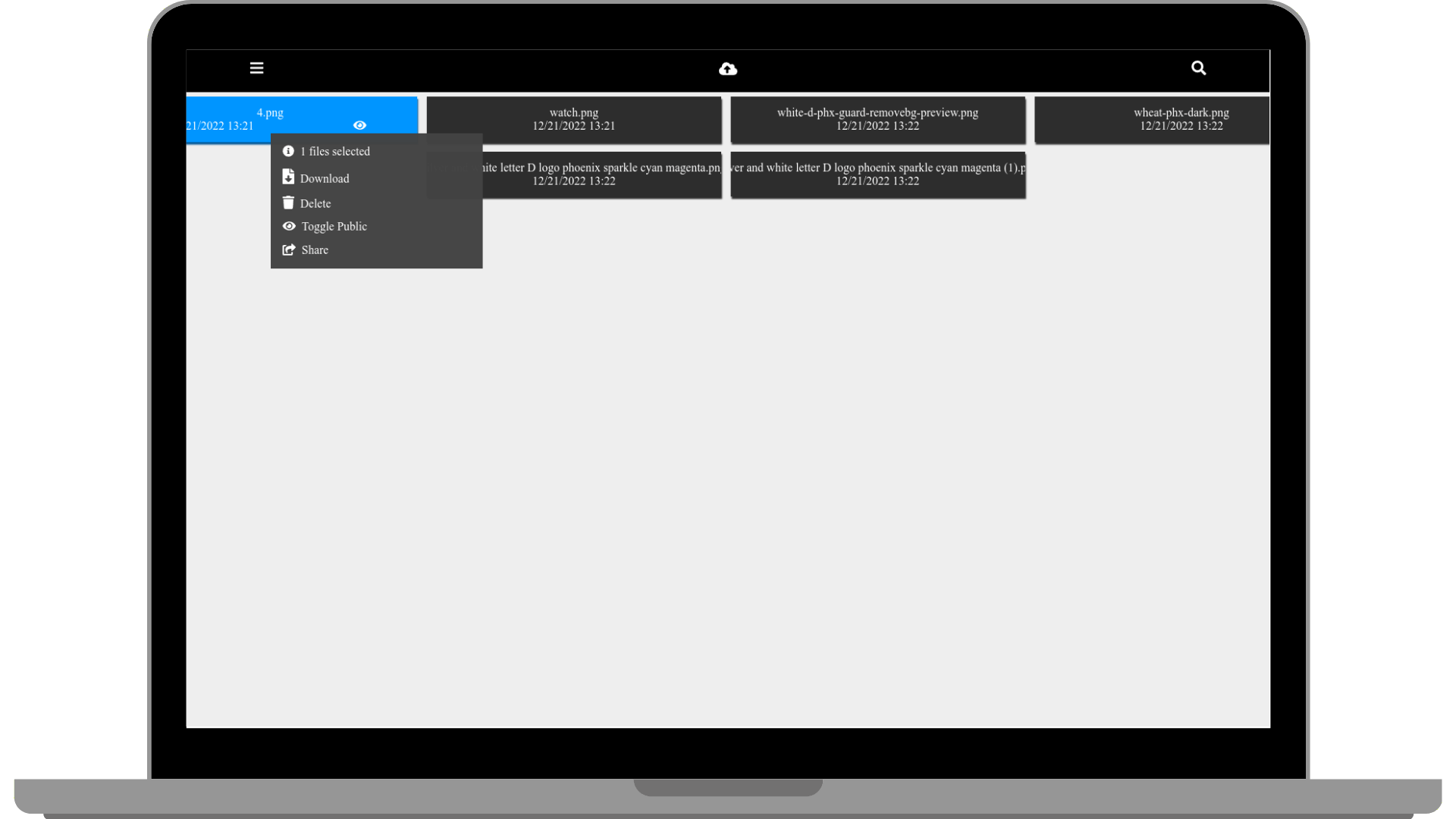
Single-user self-hosted secrets manager with envelope encryption, operator tokens, and a CLI, replacing Infisical for deploys in my cluster.
Developer tooling
Hephaestus
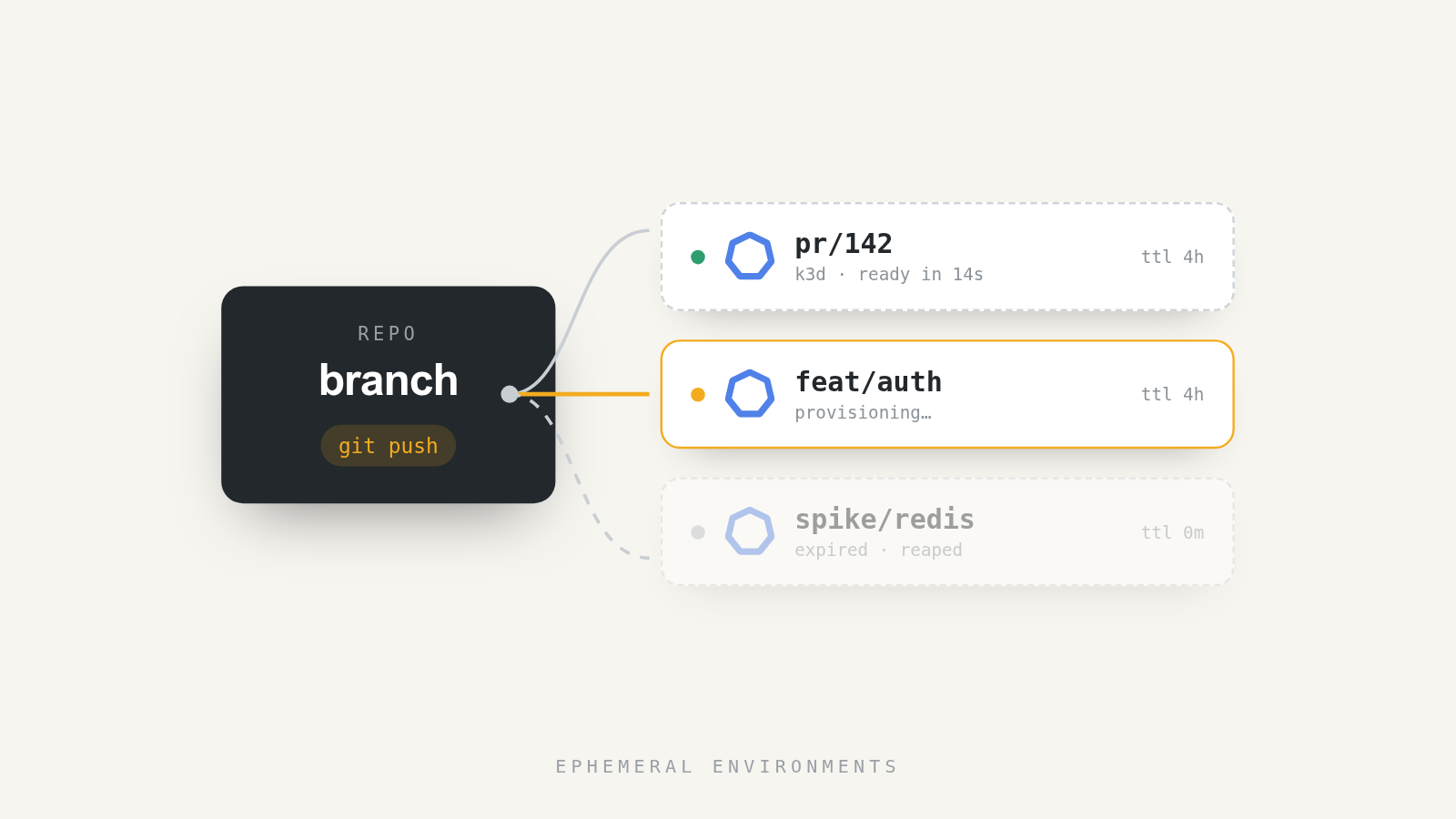
Ephemeral Kubernetes environments per branch, PR, or experiment — operator, CLI, and MCP server.


Stack
Languages





TypeScript · JavaScript · Python · Dart · Bash · SQL
Backend




NestJS · Node.js · Bun · BullMQ · Socket.IO · MCP
Frontend




React · Flutter · Vite · Material UI · HTML · CSS
Data



Postgres · Redis · Prisma · Firestore
Infrastructure





Kubernetes (incl. operators) · Docker · Helm · Garden.io · Ansible · Linux · Terraform (governance)
Platforms



Fly.io · Cloudflare · AWS · DigitalOcean · Heroku · self-hosted Kubernetes
CI/CD & Observability




GitHub Actions · Forgejo Actions · OpenTelemetry · Grafana Cloud · fastlane
Earlier work



Java · Spring Boot · JUnit · RabbitMQ · JavaFX
Get in touch
Direct
Elsewhere